
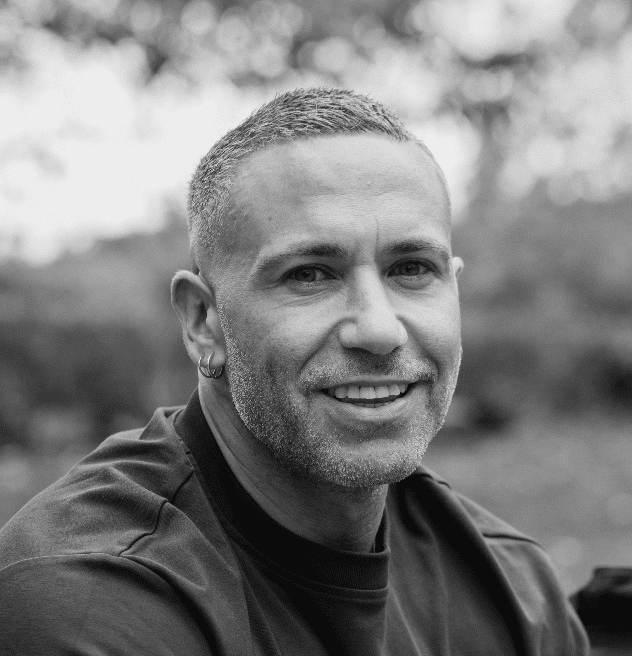
Biography
Ben Kaye is LGBTQIA+ & Chemsex Lead at Change Grow Live, where he leads specialist work supporting LGBTQIA+ communities and people engaging in chemsex and sexualised drug use. He has worked across the drug and alcohol sector for almost a decade, with experience spanning frontline practice, counselling, service development, training and strategic leadership.
Ben is a qualified counsellor and BACP member, with a BA (Hons) in Humanistic Counselling and an MSc in Psychology from the University of East London. His academic and research interests sit at the intersection of addiction, psychology, LGBTQIA+ mental health, chemsex, identity and recovery, with a particular interest in how research and lived experience can inform professional practice, challenge established approaches and steer systemic change.
His MSc research, Becoming the Support Once Sought: A Reflexive Thematic Analysis of Chemsex Recovery and its Influence on Professional Practice, explored the experiences of professionals in recovery from chemsex and how their pre-recovery experiences shape practitioner identity and subsequent professional practice.
Ben is also a chemsex advocate and speaker, an LGBTQIA+ Substance Use and Chemsex Ambassador for Impulse London and contributes to a range of professional and lived-experience chemsex networks in the UK and internationally. Alongside his work in Camden, he contributes to Change Grow Live’s developing national approach to chemsex, bringing together research, lived experience and psychologically informed practice to strengthen services, influence wider systems and improve responses to chemsex.
Abstract
Psychotherapeutic perspectives on chemsex: Lived experience, meaning, and recovery
Many individuals who engage in chemsex do not initially present to traditional addiction services and may instead seek support through sexual health clinics or community organisations. As a result, much of the early response to chemsex has been developed within therapeutic and community settings working directly with affected populations.
This presentation explores the lived experience of chemsex and the psychological meanings that underpin sexualised drug use. Drawing on clinical practice and community based work, the talk will consider factors such as intimacy, connection, trauma, minority stress, and sexual identity that may shape engagement with chemsex. It will also discuss the challenges that individuals encounter when attempting to change patterns of chemsex, including stigma, shame, and the potential loss of social and sexual networks.
The session will outline psychotherapeutic approaches that have emerged in response to chemsex, including integrative and harm reduction frameworks that recognise the complex relationship between sexuality, identity, and substance use.
