
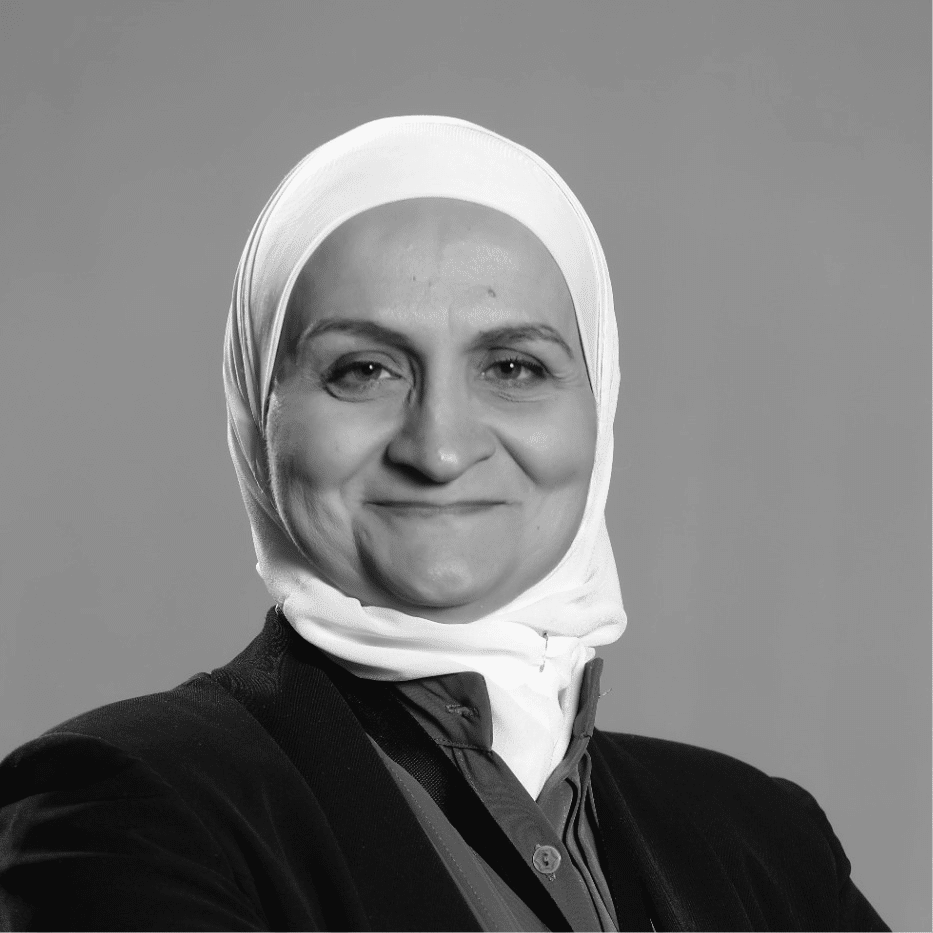
Biography
Mayyada Wazaify is Professor of Clinical Pharmacy at The University of Jordan (UJ), with more than 20 years of experience in addiction research, education, and practice. She is also an Adjunct Professor of Social Pharmacy at the University of Helsinki, Finland, a Research Fellow at Oxford Brookes University, UK and a Co-Director of the Yale-University of Jordan Joint Training Program in Addiction Medicine. Dr Wazaify has received several prestigious awards for her research contributions, including the Best Scientific Research Award from Hamad Medical Corporation, Qatar, in 2013 and the Distinguished Researcher Award from the University of Jordan in 2011 and 2012. Since 2004, she has provided consultation to the Jordan Food and Drug Administration, the Jordan Anti-Narcotics Department, and lately to the Expert Committee on Drug Dependence of the World Health Organization.
Abstract
Understanding female substance use in Jordan: A qualitative study of lived experiences, family roles, and treatment challenges
Aims: Despite rising drug-related concerns nationally, there remains a significant lack of data on female substance use, particularly regarding lived experiences, family roles, and access to care. This study aims to explore patterns, motivations, and the social and structural contexts shaping substance use among women in Jordan.
Methods: Semi-structured interviews were conducted with women who use substances in treatment facilities in Jordan. Eligible participants included adult women (≥18 years) with current or recent substance use. Interviews followed a structured guide. Transcripts were anonymised, translated into English, and analysed using thematic analysis with iterative coding and refinement using N-Vivo (version 15). Ethical approval was obtained from the Institutional Review Board at The University of Jordan.
Results: Fourteen women aged 22–42 were interviewed, and thematic analysis revealed four themes: (1) family-mediated pathways into women’s drug use; (2) women’s experiences of the physical and social consequences of drug use; (3) women’s gendered reasons for substance use; and (4) children and family as catalysts for treatment engagement.
Conclusions: Female substance use in Jordan is shaped by complex, gender-specific social and structural factors, with family dynamics playing a pivotal role. The findings underscore the need for gender-responsive policies and interventions that address stigma and integrate family-sensitive approaches to care. Strengthening research and service provision in this area is critical to improving health outcomes for women and their families.
